Energy intensity
How much energy it takes to produce a dollar of GDP — and why the trend can mislead you.
TL;DR
Energy intensity measures energy consumed per unit of GDP. When it falls, each dollar of output requires less energy. That sounds like pure progress — but it can mask rising total energy use, structural shifts, and offshored production.
What it means (plain English)
Energy intensity is a ratio: total primary energy divided by GDP. It captures how efficiently an economy converts energy into economic value. The World Bank's World Development Indicators track energy intensity across countries and decades. Over the past century, most countries have seen energy intensity decline — economies get more efficient as they shift from heavy industry to services, adopt better technology, and optimize processes.
But here's the catch: energy intensity can fall while absolute energy consumption rises. If GDP grows at 4% and energy use grows at 2%, intensity is falling — but you're still burning more fuel every year. The relationship between energy and prosperity is real, and decoupling intensity from total use is harder than it looks.
Common misconception
"Falling energy intensity means we're using less energy." Not necessarily. It means we're using less energy per unit of output. If the economy is growing fast enough, total energy demand keeps climbing. This is why intensity improvements alone have never been sufficient to reduce absolute emissions — you need the rate of efficiency gain to exceed the rate of economic growth, which rarely happens for long.
Headline translation
When you read: "Country X improved energy efficiency by 20%," translate it as: "Each unit of GDP now uses 20% less energy — but check whether total energy consumption actually fell."
A concrete example
China's energy intensity has dropped dramatically since 2000 — its economy became far more efficient per yuan of output. But because GDP grew even faster, China's total energy consumption roughly tripled over the same period. The intensity trend looks great on a slide. The emissions trend tells a different story.
If you only remember one thing...
Energy intensity is a ratio, not a result. Falling intensity is necessary for decarbonization but nowhere near sufficient. Watch the absolute numbers — the atmosphere responds to totals, not ratios.
Research that uses this concept
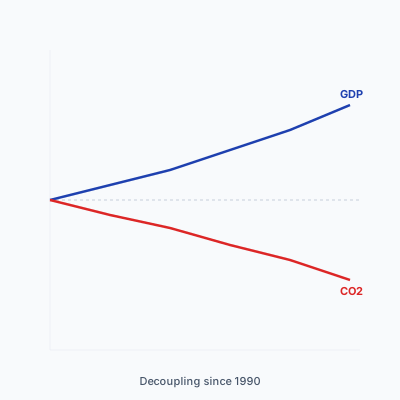
Carbon Cost of Growth
Can a country get richer without cooking the planet? Some have. Most haven't. We tracked GDP growth against CO2 emissions for 30 years — the decoupling story is real, but incomplete.
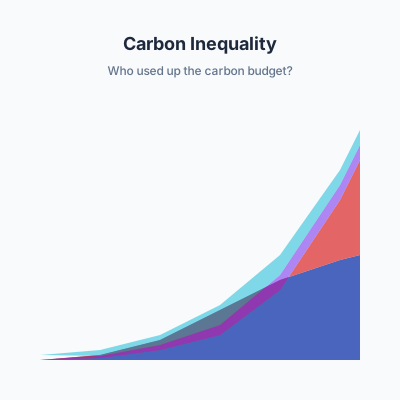
Carbon Inequality
The countries drowning in rising seas didn't cause the flood. We mapped who emitted what, when — and the per-capita gap is staggering.

Climate Vulnerability vs Emissions
Chad emits less CO2 in a year than a US state does in a day. Chad is also one of the most climate-vulnerable countries on Earth. The injustice is measurable.
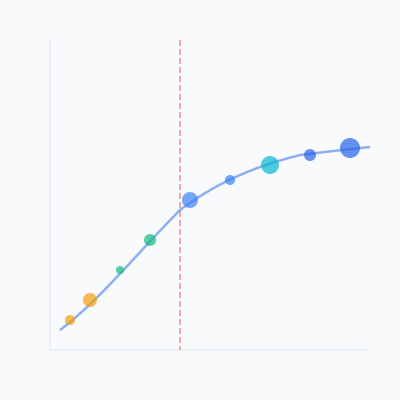
The Energy-Prosperity Ladder
There is a clear energy consumption threshold countries must cross for human development. Below ~4,000 kWh per capita, every additional kilowatt-hour transforms lives. Above 10,000, you're just heating empty rooms.
Related explainers

Capacity factor
Why a country with 10 GW of solar capacity doesn't actually get 10 GW of electricity.

Carbon leakage
When strict climate policy in one country just pushes emissions across the border.

Consumption vs territorial emissions
The accounting trick that lets rich countries claim they're decarbonizing while importing carbon-heavy goods.

Dutch disease
How a resource windfall can hollow out the rest of your economy — and why the real disease is mismanagement.

Fiscal breakeven: the price that keeps the lights on
Every petrostate has a magic number — the oil price needed to balance the budget. It almost always goes up.